Argyll Energy is committed to minimising the impact of waste and encouraging sustainable practices.
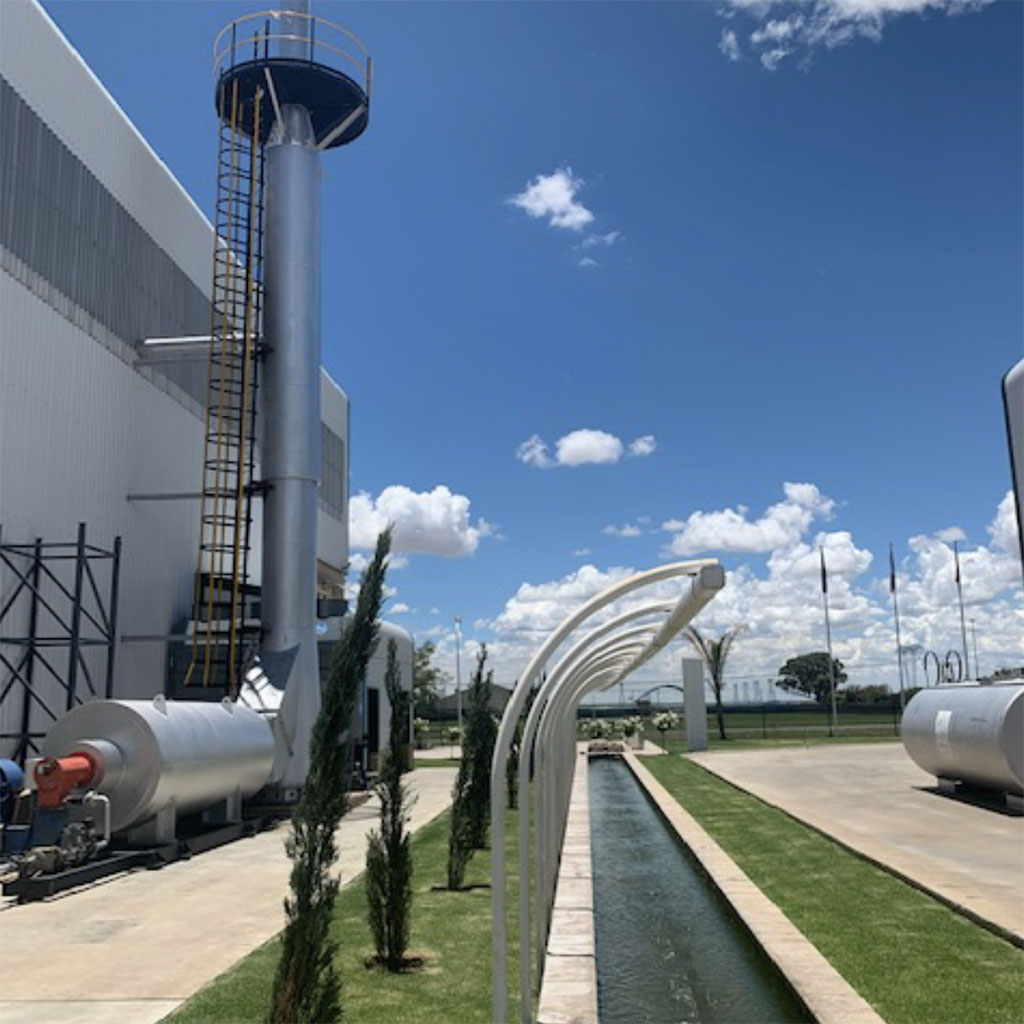
The company won Greening the COP17: South Africa Clean Tech Competition Breakthrough Innovation for its early designs for a 12 tonne per day (TPD) plant for the conversion of end-of-life tyres (ELTs) to produce electricity, biogas and carbon char. These early designs have developed and are now in their third generation. Plants are modular in design and can accommodate a variety of feedstock such as ELTs, mixed plastics and other carbonous materials. The plants have the capability of running with zero emissions producing carbon black, eDiesel, green electricity and activated carbon.
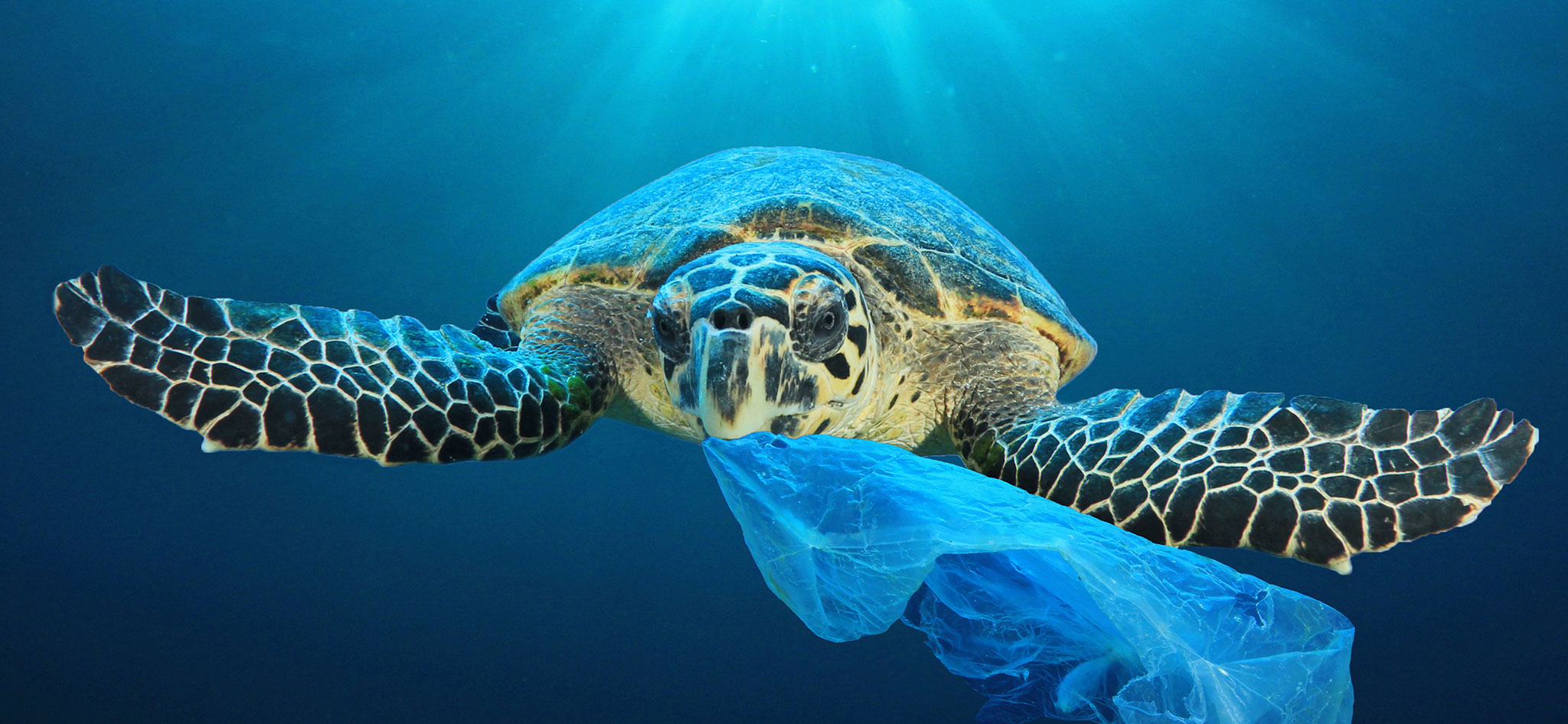
All of us share a common vision that the air we breathe and the water we drink should be of the highest quality - free from harmful contamination and pollution.
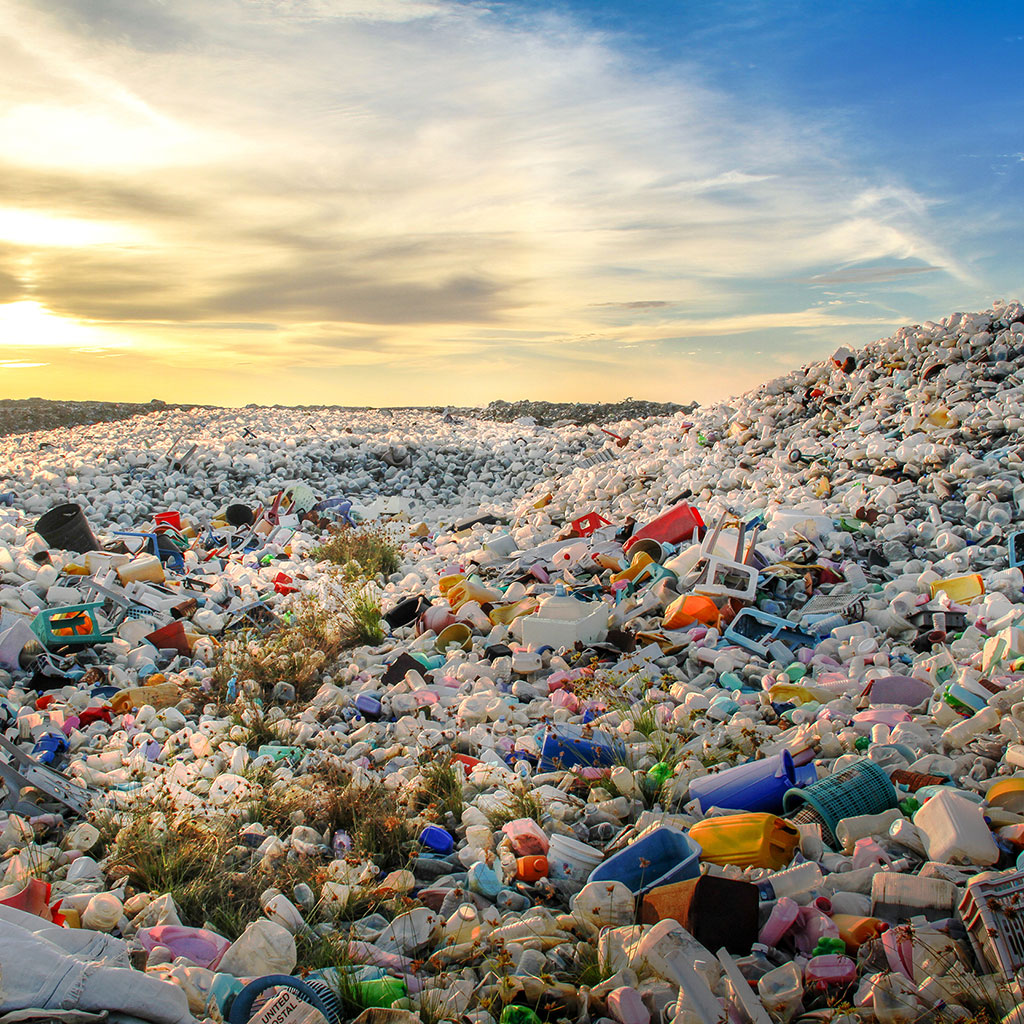
This basic belief underpins the ethos of Argyll Energy – to design, develop and build fi rst class sustainable systems and processes that provide smart solutions from the global problem of waste. The disposal of waste has ranked alongside food, water and energy as one of the key challenges to mankind with the traditional solutions of dumping or burning no longer sustainable. Wastes contain valuable resources, for which recovery presents a global opportunity. Argyll Energy aims to generate “Green Energy” from these valuable resources.
Our Environmental Goals
Argyll Energy is committed to reducing our environmental impact by focusing the key areas of energy efficiency, waste reduction, and responsible sourcing.
We will minimise waste through recycling and reuse, reducing carbon footprints and emissions, and using natural resources more efficiently. We will comply with local legislation, deliver employee awareness training, and continually improve our environmental performance.
Energy and carbon reduction:
- Minimising energy consumption and increasing the use of sustainable energy sources.
- Reducing carbon emissions, and aim to becoming zero carbon by 2035.
- We will utilise genuine offsetting schemes to offset the carbon footprint from our business travel.
Waste management:
- We will aim for zero waste by reducing production, encouraging reuse, and recycling materials like paper, plastic, and metal.
- We will properly dispose of any unavoidable waste.
- We will recycle all we can.
Sustainable purchasing:
- We prioritise suppliers who are committed to good environmental practices.
- We will procure materials from environmentally responsible sources.
Employee engagement and awareness:
- We encourage employees to adopt eco-friendly practices like turning off lights and printing less, and choosing sustainable transport options
- We will provide training on environmental policies and responsibilities.
- We will promote environmental awareness throughout the organisation.
Pollution prevention:
- We are taking action to prevent pollution from all forms, such as from redundant electrical equipment, as well as the running of our e Power plant.
- We will continuously improve performance to reduce noise and light pollution from our premises.
Compliance and continuous improvement:
- We will comply with all applicable legal and other environmental requirements.
- We will continuously review and improve our environmental performance.